Artificial Intelligence-Based Voice Assessment of Patients with Parkinson’s Disease Off and On Treatment: Machine vs. Deep-Learning Comparison

Parkinson’s Disease (PD) is one of the most common non-curable neurodegenerative diseases. Diagnosis is achieved clinically on the basis of different symptoms with considerable delays from the onset of neurodegenerative processes in the central nervous system.

Continua a leggereArtificial Intelligence-Based Voice Assessment of Patients with Parkinson’s Disease Off and On Treatment: Machine vs. Deep-Learning Comparison

A Fuzzy-Based Clinical Decision Support System for Coeliac Disease

Coeliac disease (CD) is a permanent inflammatory disease of the small intestine characterized by the destruction of the mucous membrane of this intestinal tract. Coeliac disease represents the most frequent food intolerance and affects about 1% of the population, but it is severely underdiagnosed.

Continua a leggereA Fuzzy-Based Clinical Decision Support System for Coeliac Disease

How resistant are levodopa-resistant axial symptoms? Response of freezing, posture, and voice to increasing levodopa intestinal infusion rates in Parkinson disease

Treatment of freezing of gait (FoG) and other Parkinson disease (PD) axial symptoms is challenging. Systematic assessments of axial symptoms at progressively increasing levodopa doses are lacking. We sought to analyze the resistance to high levodopa doses of FoG, posture, speech, and altered gait features presenting in daily-ON therapeutic condition.

Continua a leggereHow resistant are levodopa-resistant axial symptoms? Response of freezing, posture, and voice to increasing levodopa intestinal infusion rates in Parkinson disease

Detecting Emotions from Illustrator Gestures —The Italian Case

The evolution of computers in recent years has given a strong boost to research techniques aimed at improving human–machine interaction. These techniques tend to simulate the dynamics of the human–human interaction process, which is based on our innate ability to understand the emotions of other humans. In this work, we present the design of a classifier to recognize the emotions expressed by human beings, and we discuss the results of its testing in a culture-specific case study. The classifier relies exclusively on the gestures people perform, without the need to access additional information, such as facial expressions, the tone of a voice, or the words spoken. The specific purpose is to test whether a computer can correctly recognize emotions starting only from gestures. More generally, it is intended to allow interactive systems to be able to automatically change their behaviour based on the recognized mood, such as adapting the information contents proposed or the flow of interaction, in analogy to what normally happens in the interaction between humans. The document first introduces the operating context, giving an overview of the recognition of emotions and the approach used. Subsequently, the relevant bibliography is described and analysed, highlighting the strengths of the proposed solution. The document continues with a description of the design and implementation of the classifier and of the study we carried out to validate it. The paper ends with a discussion of the results and a short overview of possible implications.

Continua a leggereDetecting Emotions from Illustrator Gestures —The Italian Case

Obesity and Gastro-Esophageal Reflux voice disorders: a Machine Learning approach

Automatic assessment of speech disorders is a cutting-edge topic in vocal analysis. Recent studies indicated possible connections between eating disorders and voice alterations.

Continua a leggereObesity and Gastro-Esophageal Reflux voice disorders: a Machine Learning approach

Recognizing the Emergent and Submerged Iceberg of the Celiac Disease: ITAMA Project — Global Strategy Protocol

Coeliac disease (CD) is frequently underdiagnosed with a consequent heavy burden in terms of morbidity and health care costs. Diagnosis of CD is based on the evaluation of symptoms and anti-transglutaminase antibodies IgA (TGA-IgA) levels, with values above a tenfold increase being the basis of the biopsy-free diagnostic approach suggested by present guidelines.

Continua a leggereRecognizing the Emergent and Submerged Iceberg of the Celiac Disease: ITAMA Project — Global Strategy Protocol

Single-Channel EEG Detection of REM Sleep Behaviour Disorder: The Influence of REM and Slow Wave Sleep

Sleep Disorders have received much attention in recent years, as they are related to the risk and pathogenesis of neurodegenerative diseases. Notably, REM Sleep Behaviour Disorder (RBD) is considered an early symptom of α-synucleinopathies, with a conversion rate to Parkinson’s Disease (PD) up to 90%.

Continua a leggereSingle-Channel EEG Detection of REM Sleep Behaviour Disorder: The Influence of REM and Slow Wave Sleep

Rivitalizzare le attività di regressione tramite moderne procedure di training. Applicazioni nell’analisi delle immagini mediche

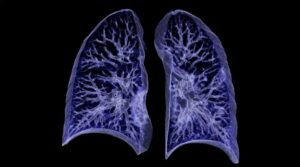
Questo lavoro descrive un approccio per stimare la percentuale di infezione specifica da COVID-19 nel tessuto polmonare.

Continua a leggereRivitalizzare le attività di regressione tramite moderne procedure di training. Applicazioni nell’analisi delle immagini mediche

No more posts to load