
Machine Learning and Prediction of Infectious Diseases: A Systematic Review
The aim of the study is to show whether it is possible to predict infectious disease outbreaks early, by using machine learning.

Everything about machine learning: discover algorithms, real-world applications, and how this technology is revolutionizing various industries.
The aim of the study is to show whether it is possible to predict infectious disease outbreaks early, by using machine learning.

Coeliac disease (CD) is a permanent inflammatory disease of the small intestine characterized by the destruction of the mucous membrane of this intestinal tract. Coeliac disease represents the most frequent food intolerance and affects about 1% of the population, but it is severely underdiagnosed.

The evolution of computers in recent years has given a strong boost to research techniques aimed at improving human–machine interaction. These techniques tend to simulate the dynamics of the human–human interaction process, which is based on our innate ability to understand the emotions of other humans. In this work, we present the design of a classifier to recognize the emotions expressed by human beings, and we discuss the results of its testing in a culture-specific case study. The classifier relies exclusively on the gestures people perform, without the need to access additional information, such as facial expressions, the tone of a voice, or the words spoken. The specific purpose is to test whether a computer can correctly recognize emotions starting only from gestures. More generally, it is intended to allow interactive systems to be able to automatically change their behaviour based on the recognized mood, such as adapting the information contents proposed or the flow of interaction, in analogy to what normally happens in the interaction between humans. The document first introduces the operating context, giving an overview of the recognition of emotions and the approach used. Subsequently, the relevant bibliography is described and analysed, highlighting the strengths of the proposed solution. The document continues with a description of the design and implementation of the classifier and of the study we carried out to validate it. The paper ends with a discussion of the results and a short overview of possible implications.

Automatic assessment of speech disorders is a cutting-edge topic in vocal analysis. Recent studies indicated possible connections between eating disorders and voice alterations.

Sleep Disorders have received much attention in recent years, as they are related to the risk and pathogenesis of neurodegenerative diseases. Notably, REM Sleep Behaviour Disorder (RBD) is considered an early symptom of α-synucleinopathies, with a conversion rate to Parkinson’s Disease (PD) up to 90%.

Voice is a reservoir of valuable health data. Recent studies highlighted its efficacy in predicting sleep quality, and its potential as biomarker of neurodegeneration.

The study of the influence of Parkinson’s Disease (PD) on vocal signals has received much attention over the last decades. Increasing interest has been devoted to articulation and acoustic characterization of different phonemes.
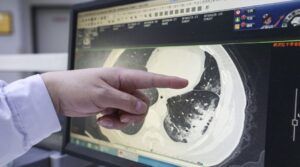
The paper presents a comparative analysis of three distinct approaches based on deep learning for COVID-19 detection in chest CTs.

DECAY uses machine learning algorithms to identify materials, deterioration, or surface defects in an object in a semi-automated manner.
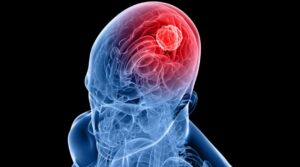
Glioma is a type of heterogeneous tumor originating in the brain, characterized by the coexistence of multiple subregions with different phenotypic characteristics, which further determine heterogeneous profiles, likely to respond variably to treatment. Identifying spatial variations of gliomas is necessary for targeted therapy.
