Everything about machine learning: discover algorithms, real-world applications, and how this technology is revolutionizing various industries.
ImageCLEF is an international initiative organized by the CLEF initiative lab, aimed at fostering the development of new AI and machine learning-based solutions to address challenges in the healthcare and medical domains. This year’s edition focused on developing the best possible solution for…
Lung cancer is a severe disease that leads to a high number of fatalities. Among all types of cancer, it is the leading cause of cancer-related deaths worldwide. The symptoms of lung cancer typically appear in advanced stages, when treatment options are less…
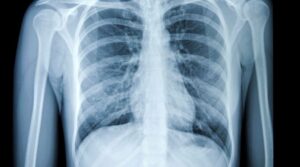
As part of its ongoing commitment to innovation, the synbrAIn team has launched AIDE-X, an acronym for Artificial Intelligence for Early Detection of Lung Diseases from Chest X-ray Images. AIDE-X is a research project aimed at supporting pneumonia detection while also identifying its…
Despite advances in treatments, 30% to 50% of stage III-IV head and neck squamous cell carcinoma (HNSCC) patients relapse within 2 years after treatment. The Big Data to Decide (BD2Decide) project aimed to build a database for prognostic prediction modeling.
In the fields of medicine and healthcare, it is not uncommon for private and public companies to invest significantly in research and new technologies. Not surprisingly, over the past decade, the application of artificial intelligence and machine learning techniques has found fertile ground…
Knowledge about the expected interaction duration and expected distance from which users will interact with public displays can be useful in many ways.
Postural instability is one of the most troublesome motor symptoms of Parkinson’s Disease (PD). It impairs patients’ quality of life and results in high risk of falls.
Humans communicate their affective states through different media, both verbal and non-verbal, often used at the same time. The knowledge of the emotional state plays a key role to provide personalized and context-related information and services.
Gesture recognition is an emerging cross-discipline research field, which aims at interpreting human gestures and associating them to a well-defined meaning.
This work describes a method for detecting emotions from gestures using gestural data and a textual description of their meaning.