Suppression of ADP-ribosylation reversal triggers cell vulnerability to alkylating agents
This study investigates how the suppression of ADP-ribosyl inversion enhances the vulnerability of cancer cells.

Articles, insights and updates on biochemistry and biomedical research, with a focus on scientific innovation, healthcare technologies, and the application of artificial intelligence in medical and biological fields.
This study investigates how the suppression of ADP-ribosyl inversion enhances the vulnerability of cancer cells.
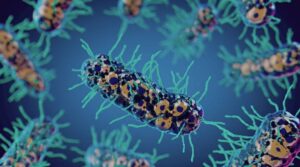
Let's discuss the structure and mechanistic aspects of toxin- and antitoxin-mediated control, as well as therapeutic prospects.
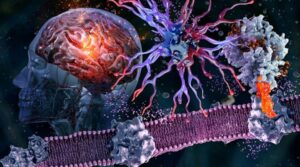
In this perspective, we discuss the structural and mechanistic aspects of DarT/DarG toxin–antitoxin-mediated control of DNA ADP-ribosylation. In addition, we then address the pathogenic role of the DarT/DarG TA pair as well as the therapeutic perspectives that the modulation of this specific ADP-ribosylation signalling may have.

We demonstrate the positive role of fasting as a protective mechanism against oxidative stress in skeletal muscle.
In this study, we dissect the molecular mechanism involved in selective expression of CAV1β isoform, induced by estrogens and downregulated in breast cancer.
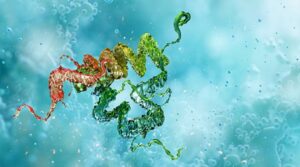
Our findings highlight the role of miR-494 in promoting HO-1 induction and cellular adaptation to oxidative stress, and contribute to the discovery of new potential drug targets for improving cancer therapies.

In this study, we evaluated the involvement of the molecular mechanisms of HO-1 induction in NB cell response to OS, analyzing its main activator Nrf2 and its main repressor Bach1.
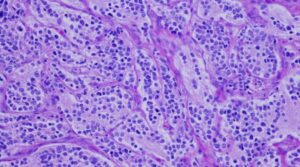
Neuroblastoma cells (NB) are able to counteract oxidative stress (OS) through the activation of antioxidant defense mechanisms among which Nrf2/HO-1 system plays a crucial role.
Abstract MAFG (v-Maf avian musculoaponeurotic fibrosarcoma oncogene homolog G) is a bZIP-type transcriptional regulator that belongs to the small MAF (sMAFs) protein family. By interacting with other bZIP transcription factors, sMAFs can form homo- and heterodimers governing either repressive or activating transcriptional functions.…

Current clinical research aims to determine whether known natural compounds can prevent or improve degenerative conditions.
