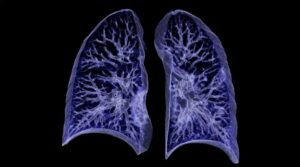
Revitalizing regression activities through modern training procedures. Applications in medical image analysis
This work describes an approach to estimate the percentage of COVID-19-specific infection in lung tissue.

Visit our Scientific Research Area: a section dedicated to professionals in the field, where you can find official resources—official documents, publications, and advanced research—on the scientific research topics of the synbrAIn team.
This work describes an approach to estimate the percentage of COVID-19-specific infection in lung tissue.

The study of the influence of Parkinson’s Disease (PD) on vocal signals has received much attention over the last decades. Increasing interest has been devoted to articulation and acoustic characterization of different phonemes.

Automatic assessment of speech impairment is a cutting edge topic in Parkinson’s disease (PD). Language disorders are known to occur several years earlier than typical motor symptoms, thus speech analysis may contribute to the early diagnosis of the disease. Moreover, the remote monitoring of dysphonia could allow achieving an effective follow-up of PD clinical condition, possibly performed in the home environment.

Early detection of stress can prevent long-term consequences for people's health, the economy, and society.
The actual role of landmarks labeling before three-dimensional (3D) facial acquisition is still debated. In this study, several measurements were compared among textured labeled (TL), unlabeled (NL), and untextured (NTL) 3D facial models.
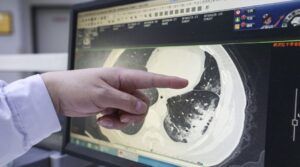
The paper presents a comparative analysis of three distinct approaches based on deep learning for COVID-19 detection in chest CTs.

DECAY uses machine learning algorithms to identify materials, deterioration, or surface defects in an object in a semi-automated manner.
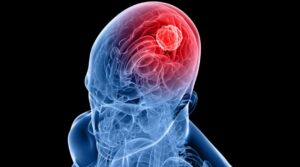
Glioma is a type of heterogeneous tumor originating in the brain, characterized by the coexistence of multiple subregions with different phenotypic characteristics, which further determine heterogeneous profiles, likely to respond variably to treatment. Identifying spatial variations of gliomas is necessary for targeted therapy.

Nowadays, smart devices allow people to easily interact with the surrounding environment thanks to existing communication infrastructures, i.e., 3G/4G/5G or WiFi.

In this work we show how Physically Based Rendering tools can be used to extend the training image datasets of Machine Learning algorithms.
