
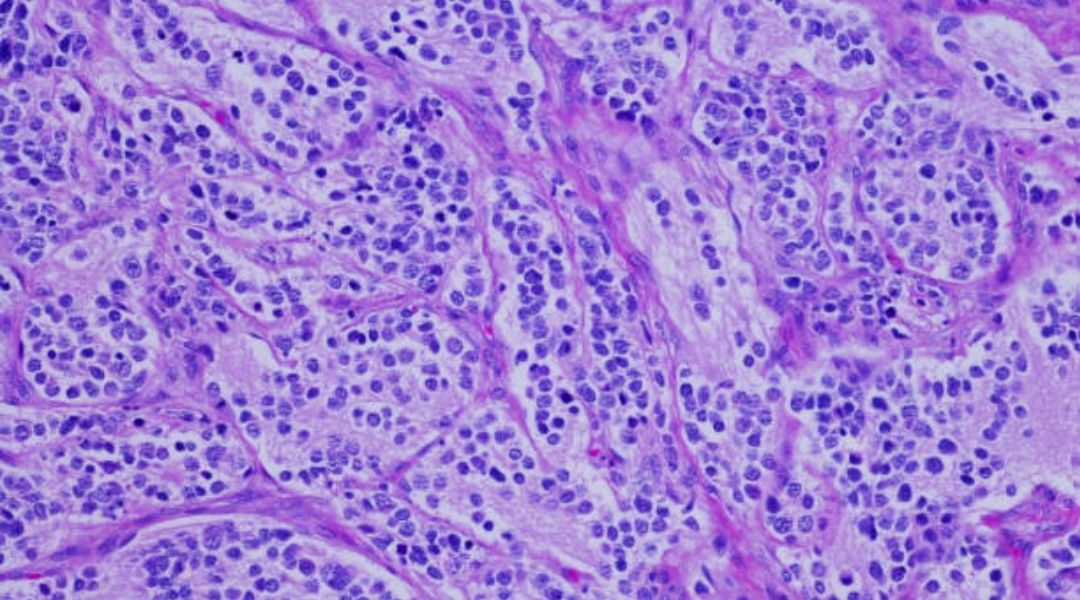
Neuroblastoma cells (NB) are able to counteract oxidative stress (OS) through the activation of antioxidant defense mechanisms among which Nrf2/HO-1 system plays a crucial role.
By using SH-SY5Y NB cells in resting condition or after differentiation with all-trans retinoic acid (ATRA), we showed that differentiated cells are more sensitive to OS than undifferentiated cells, due to a reduction in the ability to upregulate HO -1.
In order to clarify the molecular mechanisms underlying the impairment of HO-1 induction, Nrf2 and Bach1, have been analyzed.
We showed that Nrf2 moves into the nucleus in response to H2O2 in both undifferentiated and differentiated cells. Instead, Bach1 expression decreased in undifferentiated cells exposed to H2O2 but no changes were observed in differentiated cells.
Thus, we provided evidence that the lack of Bach1 degradation in differentiated cells increased sensitivity to OS. Moreover, bioinformatic analysis revealed that Bach1 is a putative target of miRNA494. We showed that NB differentiation down-regulates miR494 level.
In addition, preliminary data show that miRNA494 inhibition in undifferentiated cells is able to reduce HO-1 induction in response to OS, increasing cell death.
This is one of the scientific articles published by one or more synbrAIn collaborators and data scientists.
If you are interested in learning more, read the entire article here.


