
A Smart Assistant for Visual Recognition of Painted Scenes
Nowadays, smart devices allow people to easily interact with the surrounding environment thanks to existing communication infrastructures, i.e., 3G/4G/5G or WiFi.

Discover how Artificial Intelligence is transforming the world: from neural networks to predictive models, the future of innovation is here.
Nowadays, smart devices allow people to easily interact with the surrounding environment thanks to existing communication infrastructures, i.e., 3G/4G/5G or WiFi.

In this work we show how Physically Based Rendering tools can be used to extend the training image datasets of Machine Learning algorithms.
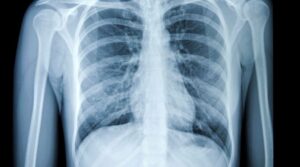
Lung cancer is a severe disease that leads to a high number of fatalities. Among all types of cancer, it is the leading cause of cancer-related deaths worldwide. The symptoms of lung cancer typically appear in advanced stages, when treatment options are less…

As part of its ongoing commitment to innovation, the synbrAIn team has launched AIDE-X, an acronym for Artificial Intelligence for Early Detection of Lung Diseases from Chest X-ray Images. AIDE-X is a research project aimed at supporting pneumonia detection while also identifying its…

In the fields of medicine and healthcare, it is not uncommon for private and public companies to invest significantly in research and new technologies. Not surprisingly, over the past decade, the application of artificial intelligence and machine learning techniques has found fertile ground…

Coeliac disease (CD) is frequently underdiagnosed with a consequent heavy burden in terms of morbidity and health care costs. Diagnosis of CD is based on the evaluation of symptoms and anti-transglutaminase antibodies IgA (TGA-IgA) levels, with values above a tenfold increase being the basis of the biopsy-free diagnostic approach suggested by present guidelines.

Postural instability is one of the most troublesome motor symptoms of Parkinson’s Disease (PD). It impairs patients’ quality of life and results in high risk of falls.
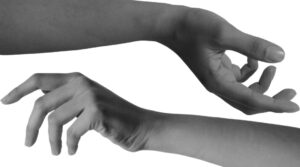
This work describes a method for detecting emotions from gestures using gestural data and a textual description of their meaning.
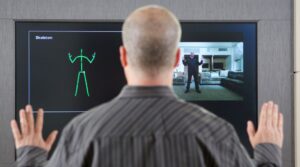
An overview of the main techniques used to recognize gestures, exploiting data obtained from “Kinect-like” devices.

This work describes an approach that combines several image processing techniques with the aim of extracting the main lines of fingerprints.
